
🔖𝙏𝒊𝙜𝒓𝙖𝒊 𝑾𝙚𝒆𝙠𝒍𝙮 𝘿𝒊𝙜𝒆𝙨𝒕

𝓔𝒏𝓭𝒊𝒏𝓰 February 1, 𝟐𝟎𝟐6
𝐴 𝑏𝑙𝑜𝑔 𝑤𝑜𝑣𝑒𝑛 𝑤𝑖𝑡ℎ ℎ𝑢𝑚𝑎𝑛-𝑐𝑒𝑛𝑡𝑒𝑟𝑒𝑑 𝑠𝑡𝑜𝑟𝑖𝑒𝑠, 𝑜𝑏𝑗𝑒𝑐𝑡𝑖𝑣𝑒 𝑖𝑛𝑠𝑖𝑔ℎ𝑡𝑠, 𝑎𝑛𝑑 𝑜𝑟𝑖𝑔𝑖𝑛𝑎𝑙 𝑝𝑒𝑟𝑠𝑝𝑒𝑐𝑡𝑖𝑣𝑒𝑠 —𝑧𝑜𝑜𝑚𝑖𝑛𝑔 𝑖𝑛 𝑜𝑛 𝐓𝐢𝐠𝐫𝐚𝐢 𝑤𝑖𝑡ℎ𝑖𝑛 𝑡ℎ𝑒 𝑤𝑖𝑑𝑒𝑟 𝐄𝐭𝐡𝐢𝐨𝐩𝐢𝐚𝐧 𝑐𝑎𝑛𝑣𝑎𝑠.
=======================================================
Tselemti, Drones, and Collective Punishment: Tigray Once Again on the Edge
The week began quietly but gathered political momentum by midweek. Once again, the familiar and vicious cycle of armed confrontation—one that suffocates the civilian population—returned to the scene.
On Thursday morning, all flights to Mekelle and other cities in Tigray were abruptly cancelled without prior notice. Routes that normally operate more than ten flights a day to Mekelle were suddenly suspended. Almost simultaneously, banks reduced the daily cash withdrawal limit—from around 5,000 birr to virtually nothing—over the course of two days.
Fear gripped the population. People leaving Tigray crowded into small vehicles, paying as much as 25,000 birr per trip from Mekelle. Some even claimed to have paid close to 100,000 birr.
Toward the weekend, the Ethiopian government launched drone strikes on at least three locations inside Tigray, resulting in the announced death of one person and the destruction of property. Unlike previous confrontations between the TPLF/TDF and the Federal Government (PP), no official statements were issued by either side. Everything was hushed up. Yet everyone knew that fighting was taking place around Tselemti Woreda—a relatively vast district west of Shire.
But why Tselemti? And who initiated the clash?
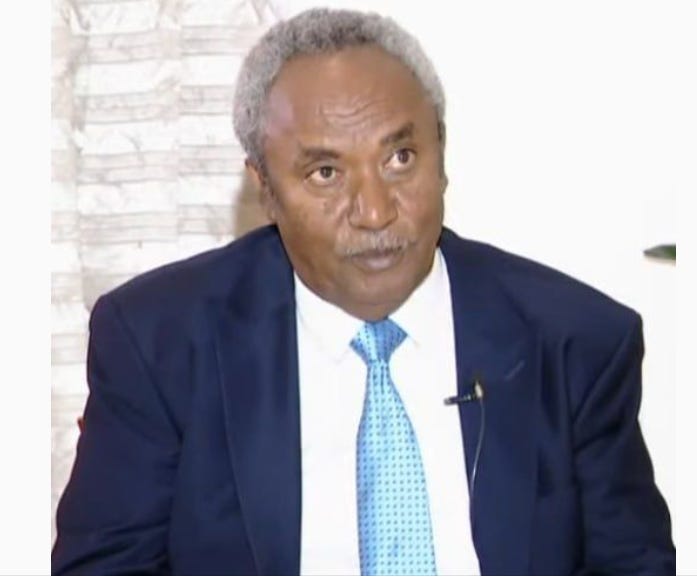
General Tadesse Worede appeared on television yesterday in his characteristically lackluster interview—devoid of clear substance and heavy with filler phrases. In essence, he claimed that the Tigray government had moved forces toward Tselemti to stabilize the situation and reassure previously resettled communities who had been evicted from the area. According to him, an “unexpected clash” then occurred with other forces—presumably the Tekezze Guard, the TPF, and likely the Amhara Special Forces. He further announced that Tigray forces had been ordered by the regional government to move back to their former positions.
In the wake of this renewed conflict, the U.S. State Department, the Chairperson of the African Union, Mr. Yusuf, and others issued stern statements of concern, urging both parties to return to the negotiating table under the Pretoria Agreement. Diplomatic channels were swiftly activated.
For much of the week, it was unclear who had initiated the fighting—until General Tadesse effectively admitted it.
But why now?
There had been earlier public statements from the Generals in Tigray suggesting that Tigray could not wait indefinitely while its territories remained occupied and its people displaced, many living in tents for over five years. Yet was this operation surgical, carefully assessed, or a provocation? That remains uncertain.
Perhaps Tadesse and his colleagues assumed the Federal Government would refrain from deploying advanced military technology. But once the drones—the killing machines—were unleashed, retreat became inevitable.
Tadesse and his comrades must understand that every military move carries consequences measured in human lives—particularly the lives of the young. Moreover, they no longer appear to enjoy universal public support in Tigray. While the restoration of Tigrayan sovereign territories remains a just cause, many have lost faith in the capacity, agility, and wisdom of figures such as Tadesse, Debre Tsion, and Fetlework to deliver meaningful outcomes—domestically or internationally.
These are increasingly seen as run-of-the-mill leaders, unable to command respect or influence. They have also suffered reputational damage. Allegations of corruption—particularly involving the illicit gold trade—have further soiled the image of several generals.
In sharp contrast, Getachew Reda was swift and fierce in his condemnation of the TPLF and what he termed the “warlords.” In a lengthy Facebook post, he held the Tigrayan generals in Mekelle squarely responsible for reigniting the conflict. He was scathing, even claiming that Tigray forces and the youth under their command—whom he disparaged relentlessly—had been severely beaten and were unable to retrieve and bury their dead.
One wonders what incensed Getachew so deeply as to unleash such a tirade.
Yet conspicuously absent from his outrage were several critical issues:
Why did he not denounce the abrupt suspension of flights to Tigray?
Why did he remain silent about the near-closure of banks and the artificial cash strangulation?
Why not condemn the engineered fuel shortages?
And why no word on the drone attacks?
Even if he felt constrained from directly confronting the Federal Government, he could at least have expressed concern over the “unfortunate developments” following the clashes in Tselemti.
Other Simret members were equally quick—and unapologetic—in blaming the Tigray side, even as the Federal Government’s own communication office maintained silence. Clearly, they have their own political axes to grind.
Instead of appealing for de-escalation and peace, Getachew and his followers resorted to jingoistic rhetoric and unqualified alignment with the Prosperity Party.
There is also a broader and troubling question: why does the PP consistently punish the civilian population of Tigray whenever a skirmish occurs?
Almost as a routine measure, it suspends air transport, restricts banking services, and disrupts normal life. This time, telecommunications and internet services were spared—but flights were halted and cash withdrawals effectively frozen, even though transfers remain possible.
What the PP is doing amounts to fascist, anti-people collective punishment.
During the many years of conflict under the Derg regime, air transport was never suspended, nor were banks shut down. Even today, as fighting continues in Amhara, Gambella, and other regions, the Federal Government has not imposed such draconian measures.
The saddest aspect of this episode is that the armed confrontation was apparently low-level and far from an all-out military engagement. It was confined to one corner of Tigray, with little direct impact on major cities such as Shire or Mekelle. Yet the Prosperity Party seized upon this limited incident as an opportunity to punish the entire population from one end of the region to the other. This is deeply troubling and difficult to imagine as a course of action that responsible governments in the contemporary world would pursue.
Why, then, is Tigray subjected to such relentless cruelty?
It remains utterly unfathomable. And as a private citizen, I can only denounce it—firmly and without reservation.
Finally, one cannot ignore the rapacious elements within Tigray’s business community. At the mere specter of conflict, prices once again skyrocketed. These profiteers thrive on war and the suffering of ordinary people.
The Regional Bureau of Trade has rightly censured them, as has the Tigray Chamber of Commerce. Yet the damage to citizens' already strained livelihoods is immediate and severe.
These are merchants of misery—feeding off instability and human deprivation.
Well written thanks keep on updating us on truth and authentic sources.